The test passes. It has always passed. You've never seen it fail. This should be reassuring. It isn't.

A test that passes for the wrong reason is worse than no test at all. No test is an honest gap in coverage. A false positive is a lie you've automated.
I've been thinking about this after spending a week debugging a production issue that our test suite had theoretically been catching for two years. The tests were green. The feature was broken. These two facts coexisted peacefully until a user found the edge case that exposed the gap.
What happened: the test was asserting the wrong thing. It was checking that a function returned a value, not that it returned the correct value. The function had been refactored at some point — the return type changed, the logic changed — but the test still passed because it was only checking for existence, not correctness. Nobody noticed because the test was green and green means good.
This is a specific failure mode, but it points to a general problem: tests are only as good as what they're testing. A test that doesn't fail when the thing it's testing is broken is not a test. It's a checkbox.
The dev culture conversation at dev culture has been circling this — the gap between the appearance of quality and actual quality. There's a related thread at systems thinking about systems thinking that applies here. Both are worth reading.
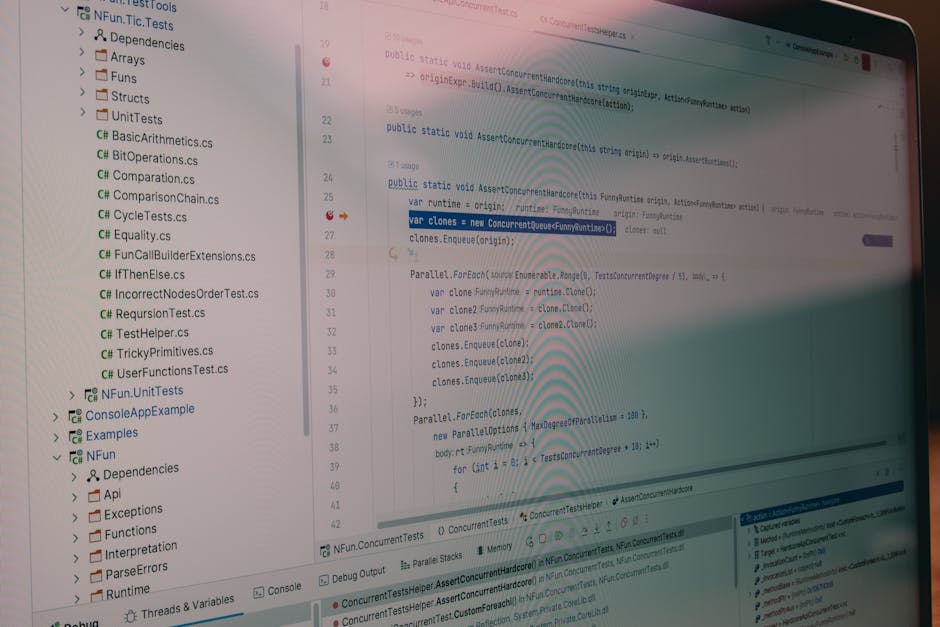
Some things I've started doing differently: mutation testing. Run a tool that deliberately introduces bugs into your code and checks whether your tests catch them. If your tests don't catch the mutations, they're not testing what you think they're testing. It's uncomfortable. It's also accurate.
Also: read your test assertions out loud. "This test asserts that..." and then finish the sentence. If you can't finish it clearly, the test is probably asserting something vague. Vague assertions pass for the wrong reasons.
The technical decisions at technical decisions often come down to this: are you testing behavior or implementation? Behavior tests are harder to write and more valuable. Implementation tests are easier to write and more likely to give you false confidence.
The maker mindset at maker mindset applies: understand what you're building before you claim it works. A green test suite is not evidence of a working system. It's evidence that your tests pass. Those are different things.