Defaults That Outlive Their Authors
Take the timeout value set to 300 seconds. It ships that way because a developer tested on a laptop with a fast drive and no network latency. Years later the same binary runs on a container with shared storage and the timeout triggers exactly when a backup job starts. Changing it requires knowing why it existed. Few comments explain the choice, and the commit that added it vanished during a repository migration.
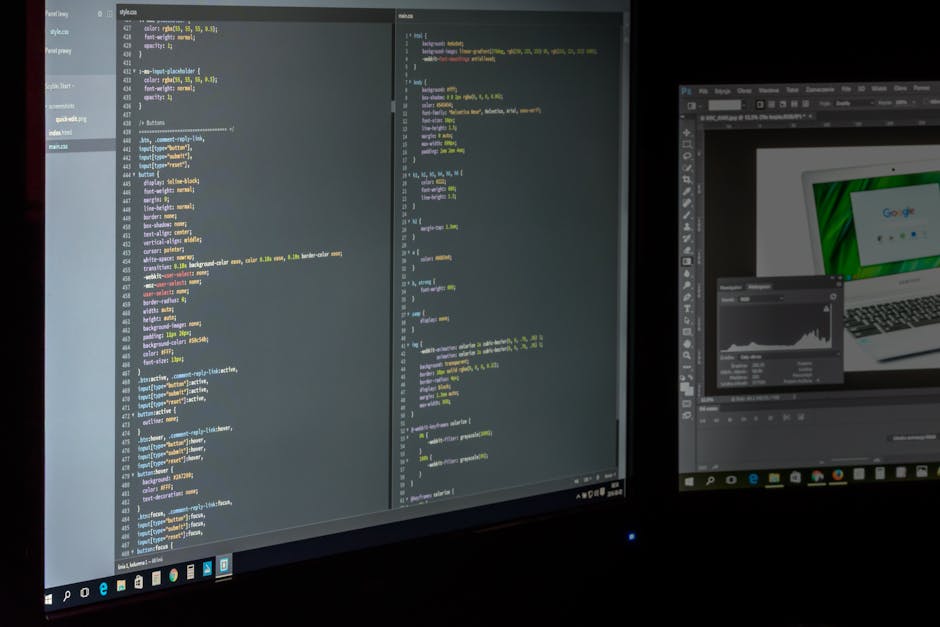
I once spent an afternoon tracing a memory leak to a buffer size left at its compile-time default. The number made sense on 32-bit hardware. On current systems it simply wasted space until the process hit an allocation limit. No warning appeared in logs because the code path assumed the default would always be sufficient.
The archaeology begins when you stop trusting the file to explain itself.
Flags Without Footnotes
Undocumented flags often hide in the source rather than the man page. A colleague found --force-reindex while reading the argument parser after a production index became corrupted. The flag worked, but only if a second environment variable was also set. Nothing in the help text mentioned the pairing. Running the command without it produced silent failure that looked like success until queries started returning stale results.
Similar patterns appear in network tools where a debug flag enables extra logging only when combined with a specific log level. Miss the combination and you get either nothing or an unreadable flood. The behavior survives because no test suite exercises the edge case, and the original author moved on before anyone noticed.
Reading through terminal configuration history shows how often these pairings surface only after an outage. The same pattern repeats across projects because each team inherits the same habit of shipping working defaults and moving on.
Recovering the Intent
Start with git blame on the config example file. The oldest lines usually point to the initial commit. From there search the issue tracker for the ticket that introduced the setting. Often the discussion contains the constraint that no longer applies, such as a library version limit or an operating-system quirk fixed in a later release.
When blame yields nothing useful, the binary itself can sometimes be coaxed into revealing more. Strings extracted from the executable occasionally list internal variable names or log prefixes that hint at hidden behavior. Cross-reference those strings against the source tree and you occasionally locate a conditional that was never exposed to users.
A spoof on daily operations recently illustrated how one team rebuilt their entire staging environment just to trigger an undocumented flag path. The exercise revealed that the flag had been dead code for two major versions, yet it remained the only way to bypass a check that now caused daily job failures.
Practical Steps That Usually Help
Keep a short list of the settings you actually changed from default, with one-line reasons. Store it next to the config rather than inside it. When the next person inherits the system they inherit the rationale too.
Test upgrades in an environment that mirrors production load. Default values that worked on a developer machine often fail the first time real traffic arrives. The risk overview from today changes every time the underlying platform updates, so the test needs to be repeated rather than assumed stable.
Finally, accept that some decisions will remain opaque. The author may have left no trace, and reverse-engineering every conditional is rarely worth the hours. Note the uncertainty in your own change log so the next archaeologist knows where the trail ends.
Over time the habit of questioning defaults spreads. A single outage traced to an undocumented flag tends to make the next engineer pause before accepting any setting at face value. That pause is often enough to prevent the next 3 a.m. surprise.
The file nobody reads until something breaks eventually gets read by everyone on the team. The trick is to make the next reading less urgent by capturing the reasons while they are still fresh.
Brushed-over details in the original source rarely announce themselves. Only after the brushed past details cause measurable pain does anyone bother to surface them.